Skatepark elements: 41 obstacles explained (2026)
Quarter, bowl, ledge, hubba, euro gap: the 41 skatepark obstacles explained in one line each, with icons and a RideMyPark spot to try every one.
A skatepark has 41 types of obstacles, in 5 families: transitions (quarter pipe, mini ramp, bowl), banks and jumps (bank, funbox, euro gap), bumps (bumps, wave), grind and slide obstacles (curb, ledge, handrail) and the flat. Here is every element explained in one sentence, with its RideMyPark icon and a spot where you can try it.
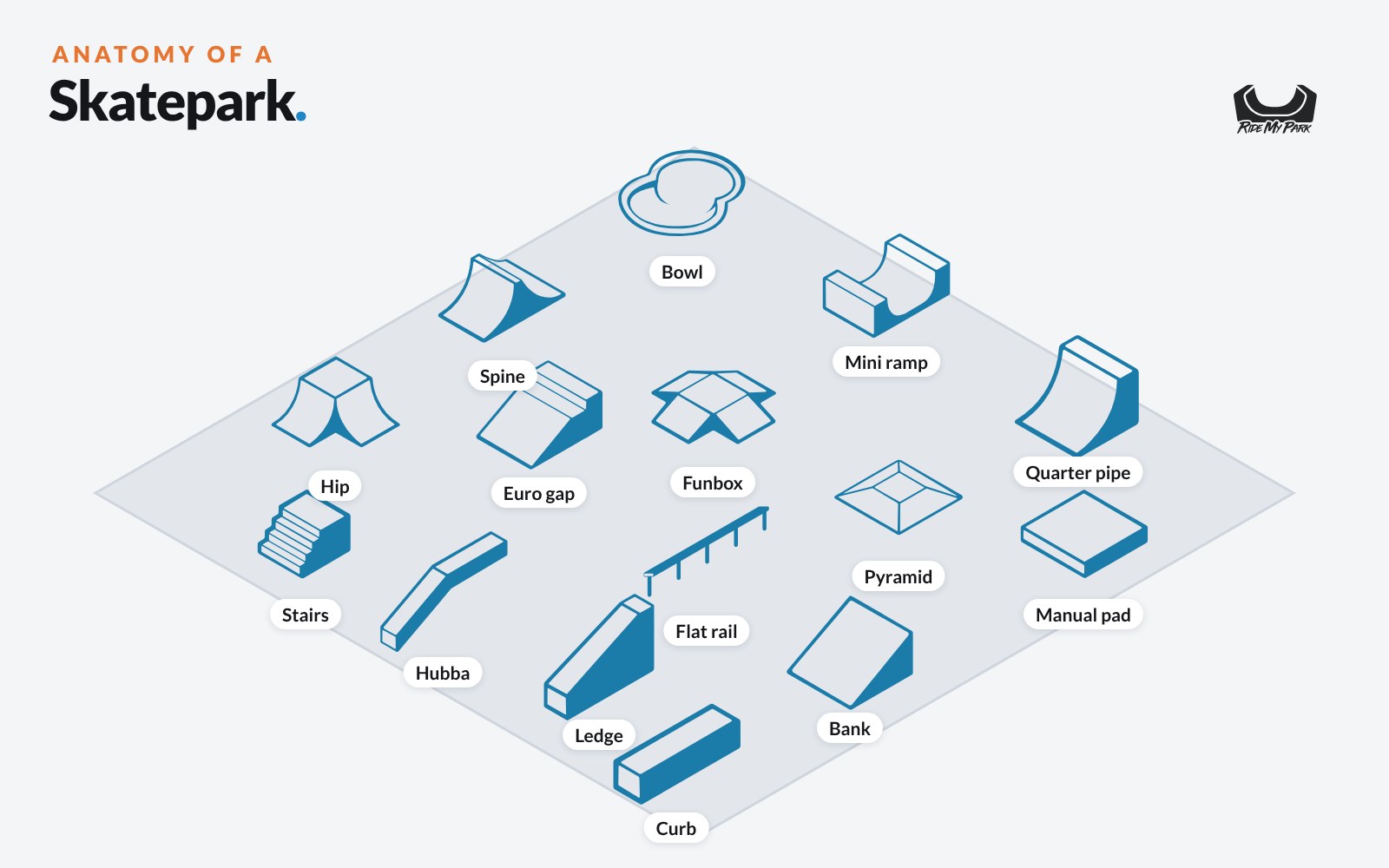
Key facts
- The quarter pipe, the ledge and the curb are the most common obstacles.
- To start: the flat, a low curb, the manual pad and the micro ramp.
- Curb, ledge and hubba are three heights of the same idea: a block to slide and grind.
- The first skatepark in the world, Surf City, opened in Tucson, Arizona, on September 3, 1965, according to Wikipedia.
- On RideMyPark, every listing shows its obstacles: you can filter the map by obstacle to find a bowl, a euro gap or a pump track.
Quick answers
What are the elements of a skatepark?
The most common are the quarter pipe, mini ramp, bowl, bank, funbox, curb, ledge, rail and manual pad. They fall into transitions, banks and jumps, bumps, grind and slide obstacles, and flat.
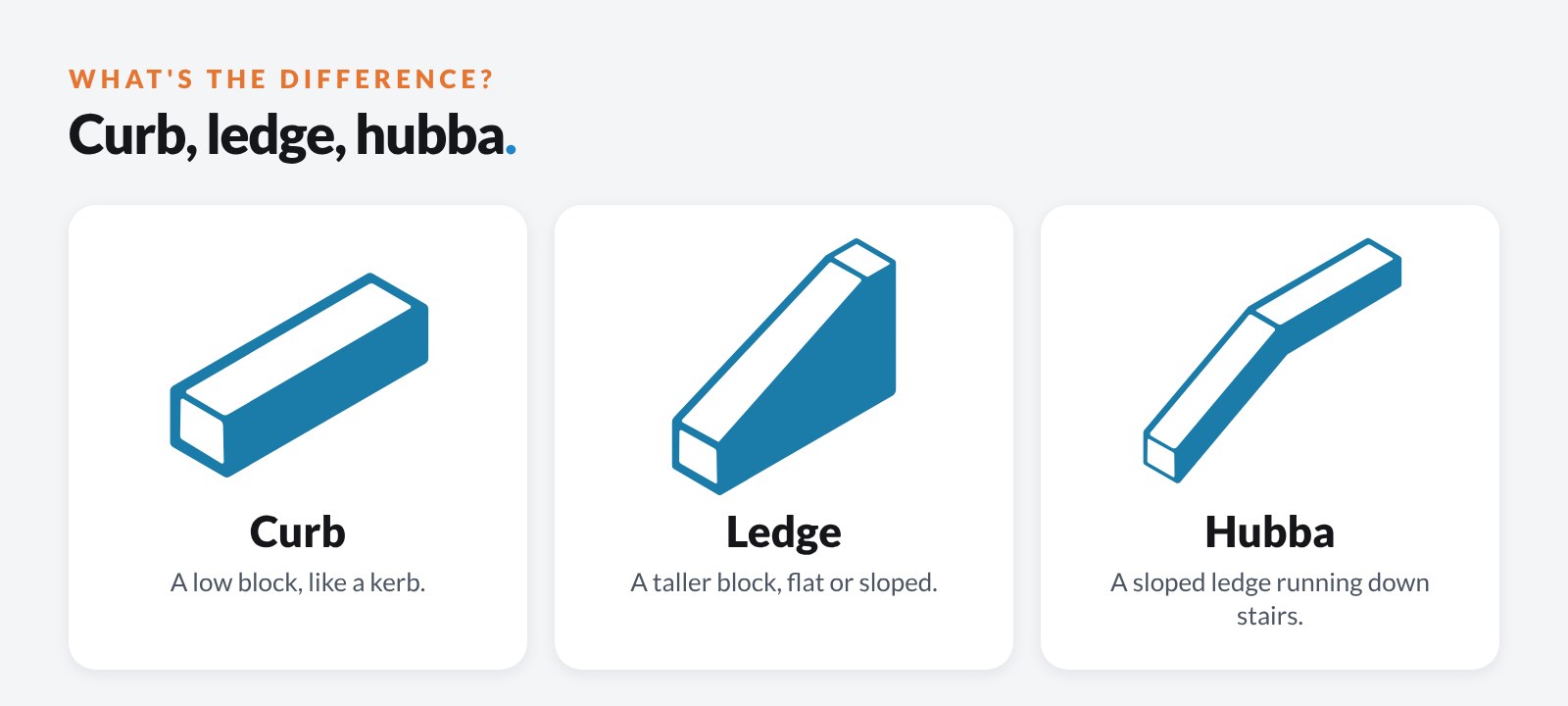
What's the difference between a curb, a ledge and a hubba?
A curb is a low block, like a kerb. A ledge is a taller block. A hubba is a sloped ledge running down the side of a set of stairs.
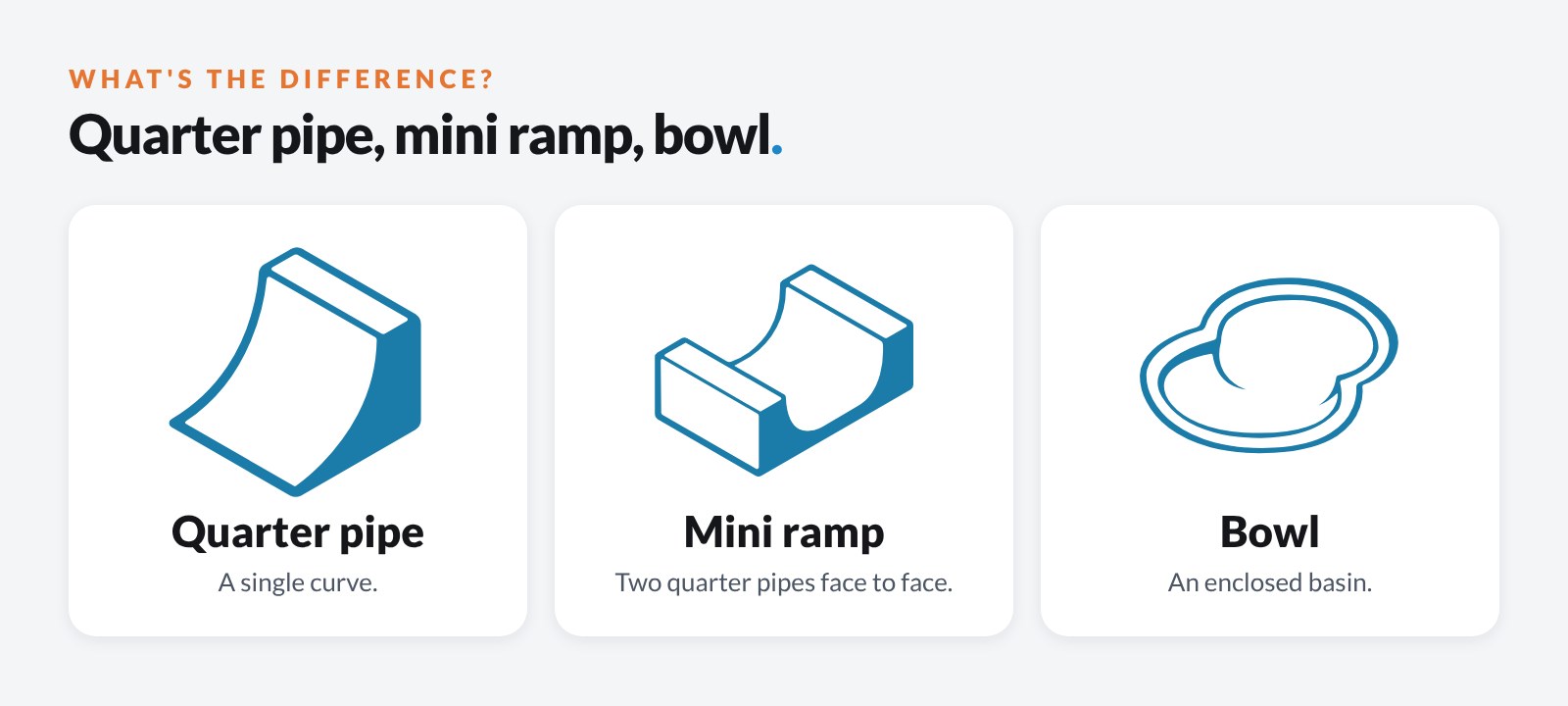
What's the difference between a quarter pipe, a mini ramp and a bowl?
A quarter pipe is a single curve. A mini ramp puts two quarter pipes face to face. A bowl is an enclosed basin whose curves meet in the corners.
Which obstacles are best for beginners?
The flat to learn to ride, the micro ramp to learn to pump, then a low curb and a manual pad for your first grinds and manuals.
What is a euro gap?
A bank that leads up to a raised step or curb, with a small gap in between. You jump from the slope onto the step.
Obstacle families at a glance
| Family | Modules | What for |
|---|---|---|
| Transitions | Quarter pipe, Mini ramp, Micro ramp, Mega ramp, Bowl, Cradle, Snake run, Spine, Hip, Full pipe, Roll-in, Resi ramp | Speed, airs, carving |
| Banks and jumps | Bank, Kicker, Funbox, Pyramid, Table, Step-up, Euro gap, Volcano, Rainbow rail, Gap | Jumps, keeping speed |
| Bumps and waves | Bumps, Whoops, Wave, Pump track | Pumping without pushing |
| Grind and slide obstacles | Curb, Ledge, Hubba, Handrail, Flatbar, Rail, Polejam, Manual pad, Bench, Stairs, Wall, Jersey barrier, Barrier | Grinds, slides, manuals |
| Flat and safety | Flat area, Foam pit | Learning, flatground tricks |
Family 1: Transitions
Curved obstacles let you build speed and get air while staying in the curve. The curved part is the transition, the metal pipe along the top edge is the coping, and the flat platform at the top is the deck, according to Wikipedia.
Quarter pipe
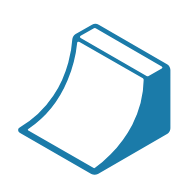
A single curve, a quarter of a pipe, with coping on top. It's the most common skatepark obstacle: you use it to regain speed and link tricks.
Where to try it: the Willemsplein wave, in Rotterdam.
Mini ramp
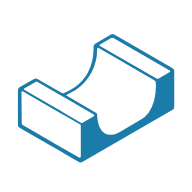
Two quarter pipes facing each other, joined by a flat bottom, in a U shape. The French roller and skateboard federation guide puts its height at roughly 1.60 m to 2.20 m.
Where to try it: EGP 18, in Paris.
Micro ramp
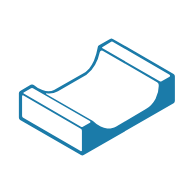
A smaller mini ramp, often under a metre high. It's the best obstacle to learn pumping and your first rock to fakies and axle stalls.
Where to try it: Laboratoire de la ride, in Paris.
Mega ramp
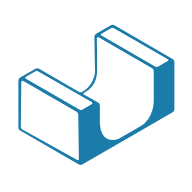
A giant ramp that links a long roll-in, a jump over a gap and a landing quarter pipe. It's for very experienced riders only, on a skateboard or a BMX.
Where to try it: Batignolles skatepark, in Paris.
Bowl
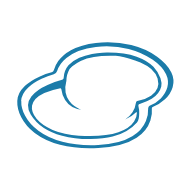
A fully enclosed area of curved walls that meet in the corners, according to Wikipedia. The first bowls were drained swimming pools: you ride them by carving around the walls.
Where to try it: Saint-Ouen skatepark.
Cradle
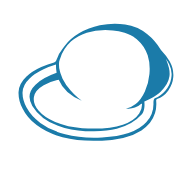
A half sphere tipped on its side, often at one end of a bowl. The curve goes past vertical and over your head, so you ride upside down for a moment.
Where to try it: the Porte d'Italie Cradle, in Paris.
Snake run
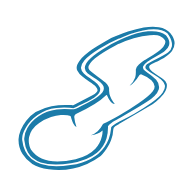
A long, winding curved channel that runs downhill, like a stretched-out bowl. You ride it by pumping from one wall to the other.
Where to try it: the Henri-Huchard snake run, in Paris.
Spine
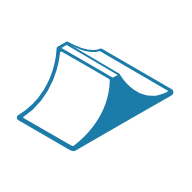
Two quarter pipes back to back, with no deck in between, according to Wikipedia. Going over from one side to the other is a spine transfer.
Where to try it: Saint-Ouen skatepark.
Hip
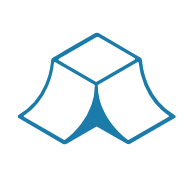
Two quarter pipes or banks that meet at an angle. You jump from one face to the other, turning over the edge.
Where to try it: the Bichat curves, in Paris.
Full pipe
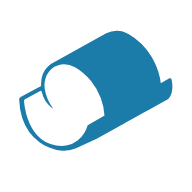
A complete tube, closed through 360 degrees. It's rare and takes a lot of speed to reach the ceiling.
Where to try it: Migennes skatepark.
Roll-in
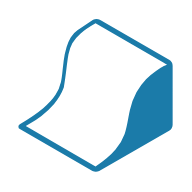
A long, sloping curved ramp with no coping, used to build speed before dropping into the park.
Where to try it: L'Embâcle, place du Québec in Paris.
Resi ramp
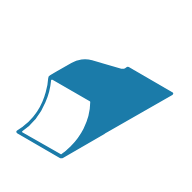
A ramp covered with a soft, shock-absorbing surface, to learn big tricks without hurting yourself on landing.
Where to try it: Fort-Mahon-Plage skatepark.
Family 2: Banks and jumps
These straight-sloped obstacles are for getting air, clearing a gap or keeping your speed up. They're the backbone of any street park.
Bank
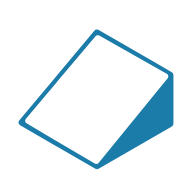
A straight inclined plane with no curve. You use it to go up, come down or regain speed.
Where to try it: the Léopold bank, in Paris.
Kicker
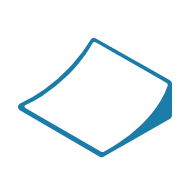
A small, low curved launch ramp that sends you into the air, according to Wikipedia. It's often movable and placed in front of another obstacle.
Where to try it: Skateland, in Rotterdam.
Funbox

A block that combines banks, a flat top, rails and ledges. It's the centrepiece of many skateparks.
Where to try it: Croissy-sur-Seine skatepark.
Pyramid
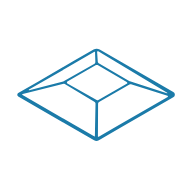
Four banks arranged in a pyramid around a flat top, according to Wikipedia. You can ride it in every direction.
Where to try it: EGP 18, in Paris.
Table
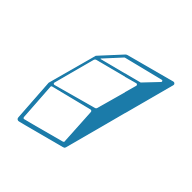
A ramp up, a flat top, then an identical ramp down. You jump over it or ride onto the top.
Where to try it: Montmorency skatepark.
Step-up
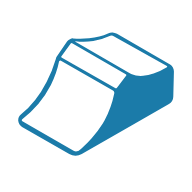
A ramp that leads up to a higher level: you jump from a lower deck onto a higher one.
Where to try it: EGP 18, in Paris.
Euro gap
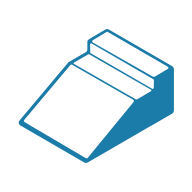
A bank that leads up to a raised step or curb, with a small gap in between. You jump from the slope onto the step.
Where to try it: Westblaak, in Rotterdam.
Volcano
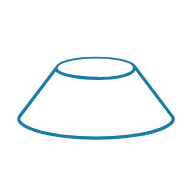
A cone with straight sides and a flat top, sometimes with a rail or coping on the top. You go over it or do a trick on top.
Where to try it: Gerland skatepark, in Lyon.
Rainbow rail
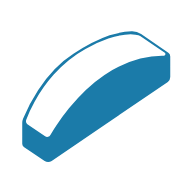
A rail or obstacle shaped like an arch, going up then down. You slide or grind it from end to end.
Where to try it: Skateland, in Rotterdam.
Gap
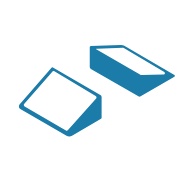
An empty space between two obstacles or two levels that you clear with a jump.
Where to try it: the Debilly footbridge, in Paris.
Family 3: Bumps and waves
Bumps and waves are ridden by pumping, not pushing: you gain speed by pressing into the downslopes.
Bumps
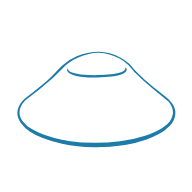
A rounded hump on the flat with no flat top, unlike a volcano.
Where to try it: Perrache skatepark, in Lyon.
Whoops
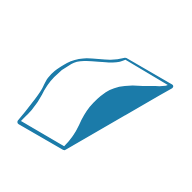
A row of small, closely spaced bumps, borrowed from BMX and pump tracks.
Where to try it: the Letter skatepark, in Rotterdam.
Wave
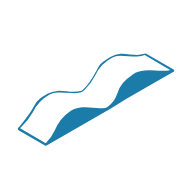
A rolling concrete surface, or a series of concrete waves, that you link by pumping.
Where to try it: the Aubervilliers wave skatepark, in Paris.
Pump track
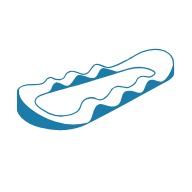
A loop of bumps and banked turns that you ride without pedalling or pushing. It works on a BMX, a skateboard, a scooter or skates.
Where to try it: Perrache pump track, in Lyon.
Family 4: Grind and slide obstacles
These obstacles are for sliding on your board (slides) or on your trucks (grinds). The French roller and skateboard federation calls them "glide modules" in its skatepark guide.
Curb
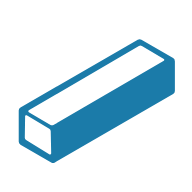
A low, horizontal block, like a kerb, often with a metal edge. It's the first obstacle for learning grinds.
Where to try it: the big curbs at Station F, in Paris.
Ledge
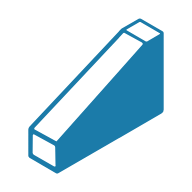
A block higher than a curb, flat or sloped, with edges to slide and grind. It's one of the most common skatepark obstacles.
Where to try it: the Palais de Tokyo, in Paris.
Hubba
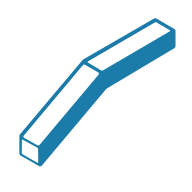
A sloped ledge running down the side of a set of stairs. The name comes from the Hubba Hideout spot in San Francisco.
Where to try it: Port de la Bourdonnais, in Paris.
Handrail
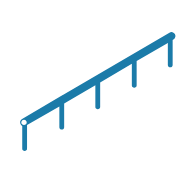
A rail alongside a staircase or off a wall, according to Wikipedia. A handrail with two flat sections joined by a slope is a kinked rail.
Where to try it: the Gare Montparnasse kink rail, in Paris.
Flatbar
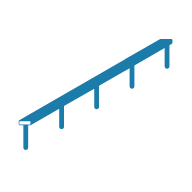
A grind bar set level with the ground, according to Wikipedia. It's the easiest rail to start on.
Where to try it: the rue Nicolas-Flamel rail, in Paris.
Rail
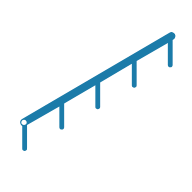
A metal grind bar, flat or sloped, standing alone or on top of another obstacle. The French federation guide recommends a diameter of 50 to 80 mm.
Where to try it: the allée de Bercy rails, in Paris.
Polejam
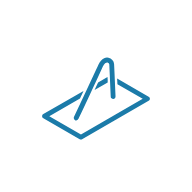
A short, angled pole sticking out of the ground. You ride up it with speed to pop off the end.
Where to try it: Sergent Blandan, in Lyon.
Manual pad
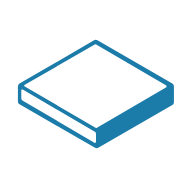
A low, flat platform where you do manuals: rolling balanced on two wheels.
Where to try it: the Milhaud spot, in Paris.
Bench
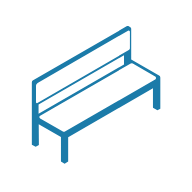
A public bench, often concrete, that you grind or slide like a ledge.
Where to try it: the Little red spots, in Rotterdam.
Stairs
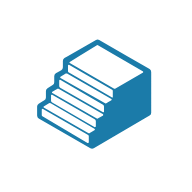
A set of stairs to jump down, according to Wikipedia. Skaters count the steps: a "5", a "10"…
Where to try it: the Trocadéro, in Paris.
Wall
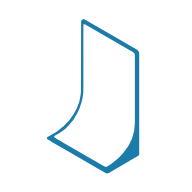
A vertical wall, sometimes above a quarter pipe, for wallrides.
Where to try it: the rue du Maroc wall, in Paris.
Jersey barrier
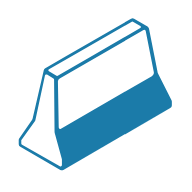
A concrete road safety barrier, flared at the bottom. Its slope works as a small bank or a wallride.
Where to try it: Sartrouville skatepark.
Barrier
A railing or barrier from street furniture, to grind or jump over.
Where to try it: the rue Brantôme spot, in Paris.
Family 5: Flat and safety
The flat is the base of every skatepark: it's where you learn to ride. A foam pit lets you try big tricks safely.
Flat area
A smooth, flat zone big enough to roll around and practise flatground tricks.
Where to try it: Laboratoire de la ride, in Paris.
Foam pit
A pit filled with foam blocks to land in, usually after a launch ramp, according to Wikipedia. You mostly find them in indoor skateparks.
Skatepark vocabulary
- Coping: the metal pipe along the top edge of a curve.
- Deck: the flat platform at the top of a ramp or bowl.
- Transition: the curved part of a quarter pipe, mini ramp or bowl.
- Lip: the top edge of a ramp, where you take off.
- Grind / slide: riding along a curb, ledge or rail on your trucks (grind) or on your board (slide).
How we built this glossary
The list follows the 41 obstacles riders tick on RideMyPark listings, which also work as filters on the map. Definitions draw on the Wikipedia Skatepark article and the French federation's skatepark guide; every number cites its source. Each example links to a RideMyPark listing with that obstacle. Missing one? Let us know.